
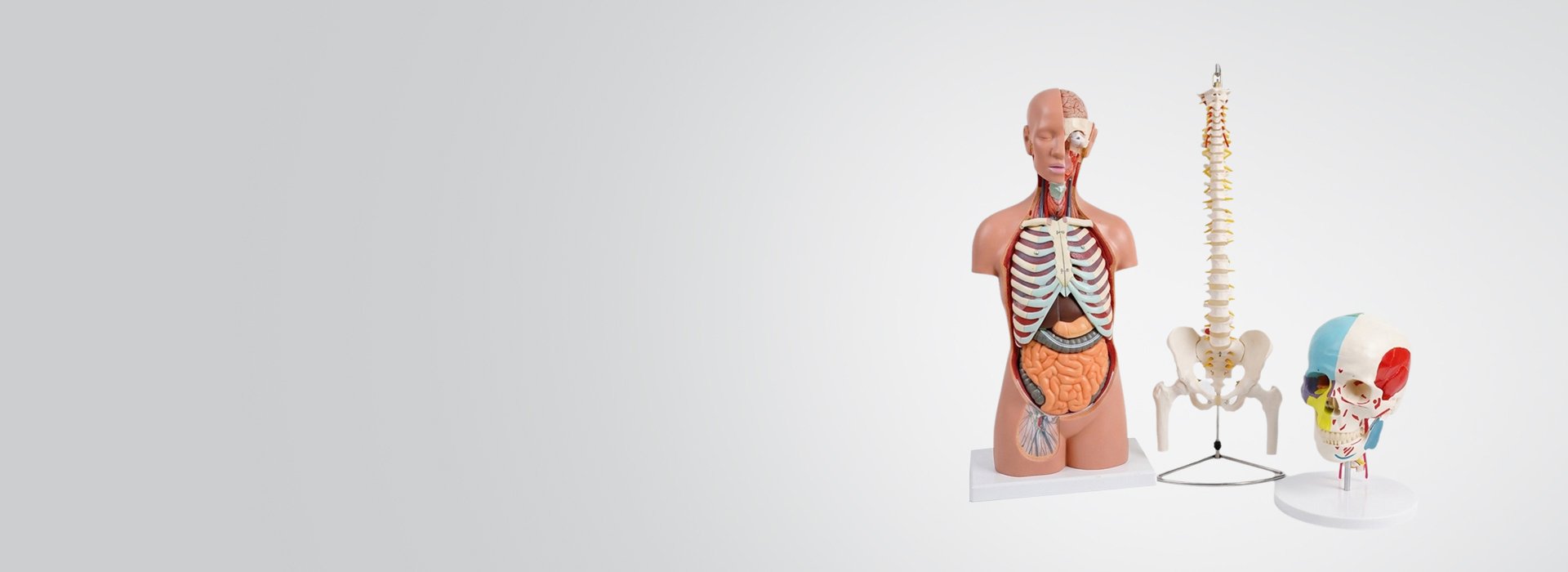
Anatomical Models Supplier in China
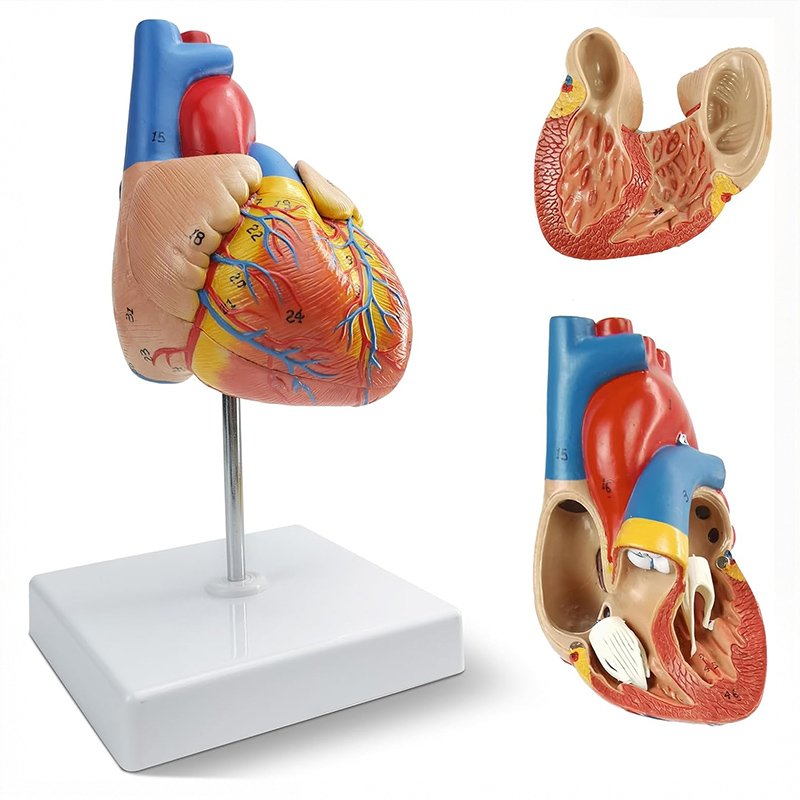
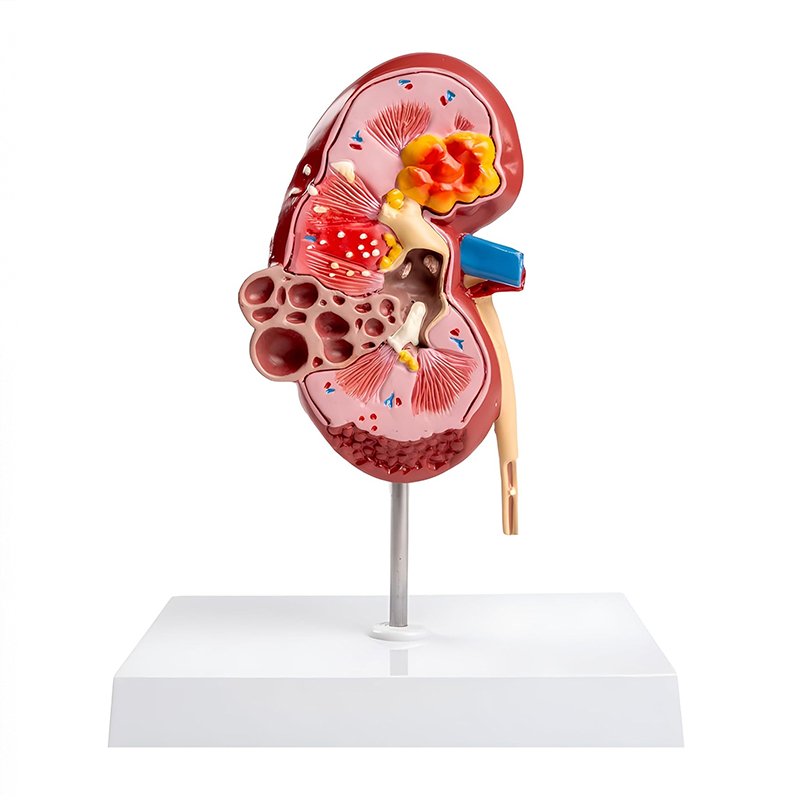
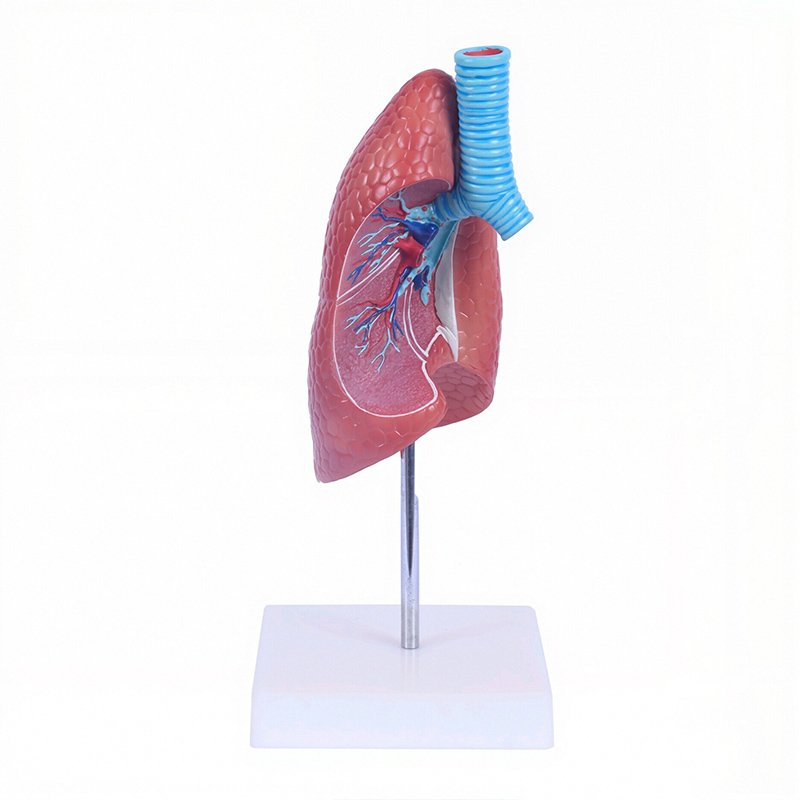
From skeletal system models and nervous system models to torso models and acupuncture models, our anatomical models cover all types of human anatomical systems. Including the skeletal system, muscle system, nervous system, lungs, stomach, heart, liver, kidney, and other internal organs, it can meet different learning and research needs.
We have passed ISO 9001, ISO 14001, ISO 45001certification to ensure that our products strictly comply with international quality standards. All models are made of high-quality materials and advanced processes to accurately represent human anatomy and are designed to be durable.
LIGO is committed to providing high-quality Anatomical Models at a competitive price, providing a reliable one-stop solution that ensures timely communication and on-time delivery.
Anatomical Models by System
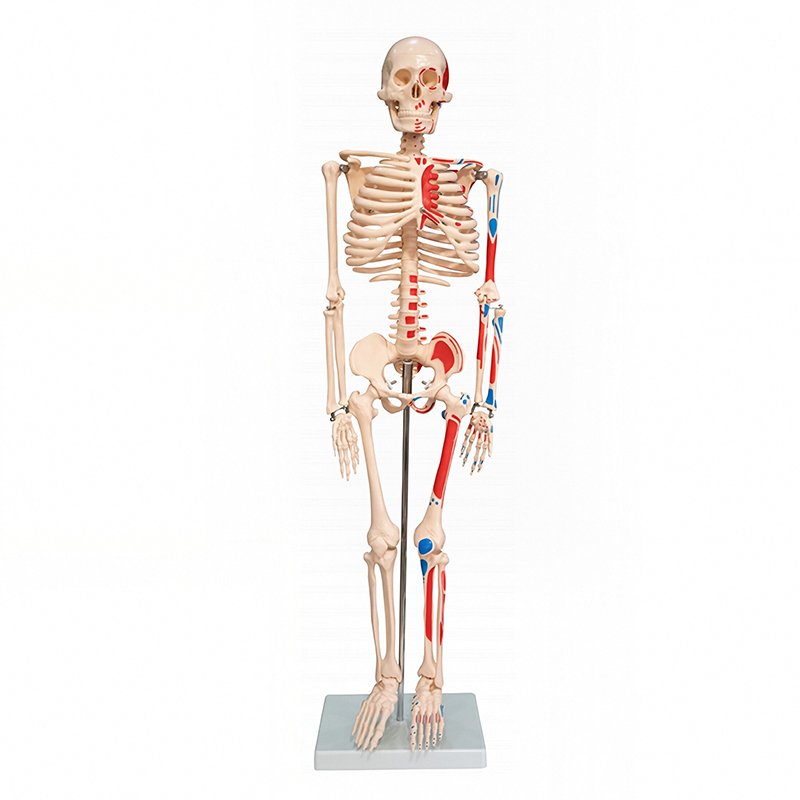
Including human skeleton model, skull model, spine model and hand and foot models.
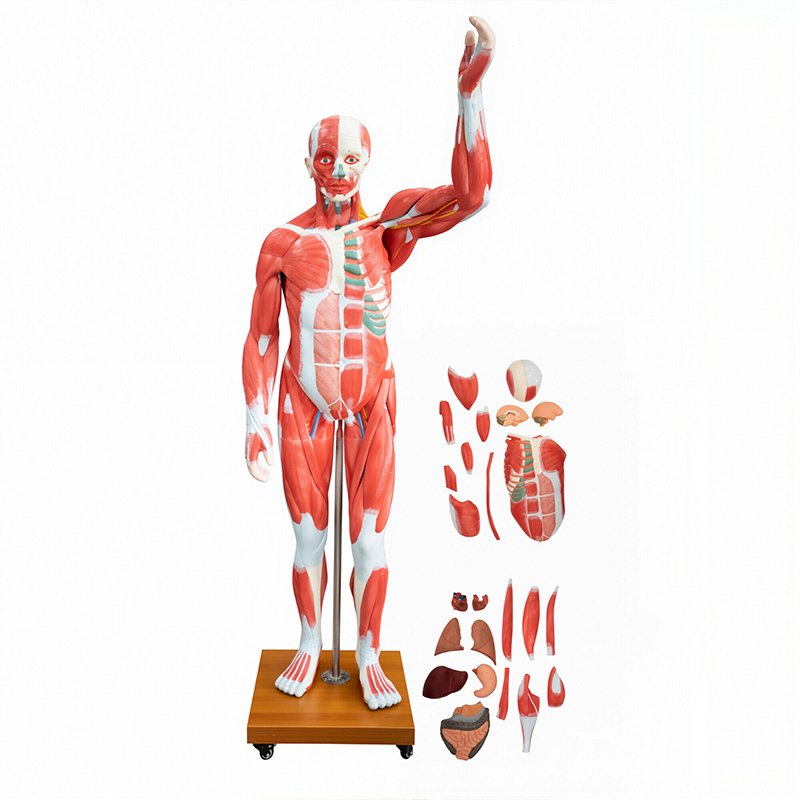
Including full-body muscle figures, shoulder, arm, and leg muscle models.
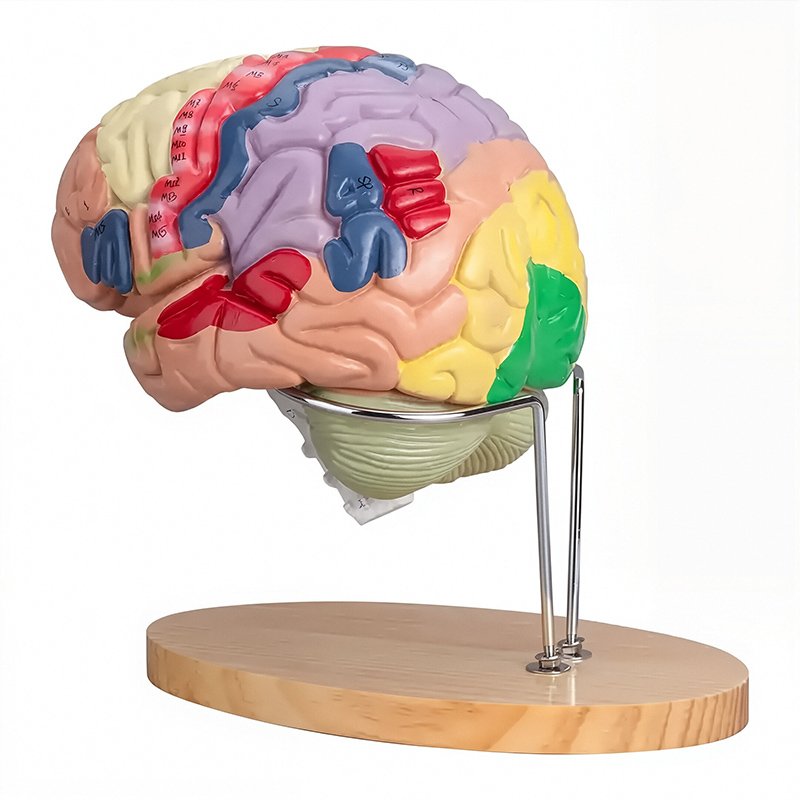
Including brain models and spinal cord models with central and peripheral nervous system models.
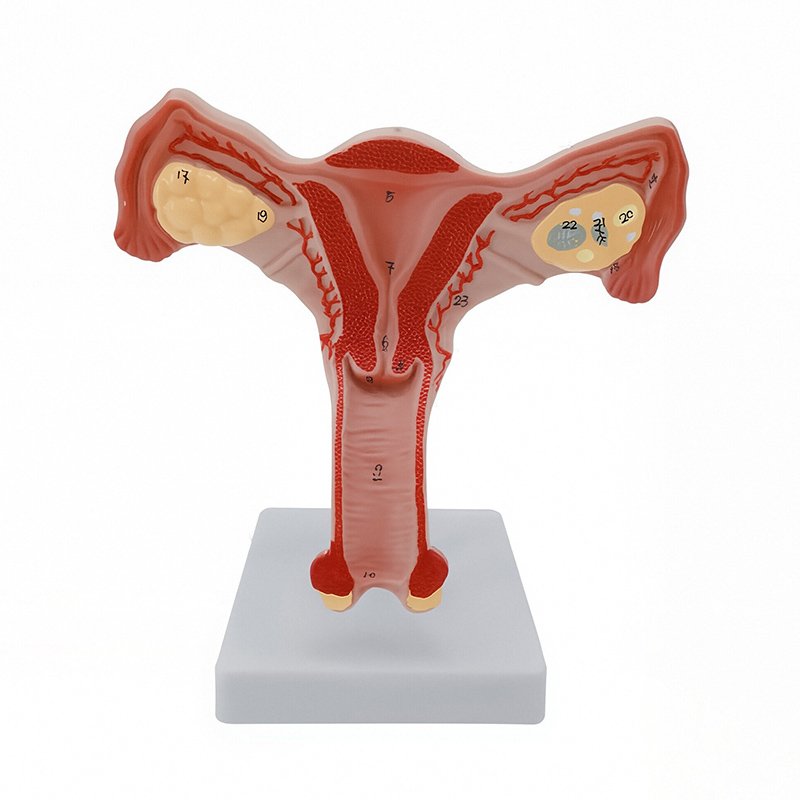
Including male reproductive models, female reproductive system models, pregnancy anatomy models, and fetus models.

Including stomach models and liver models with pancreas, spleen, and duodenum models, and human digestive system anatomy models.
Specialty Anatomical Models
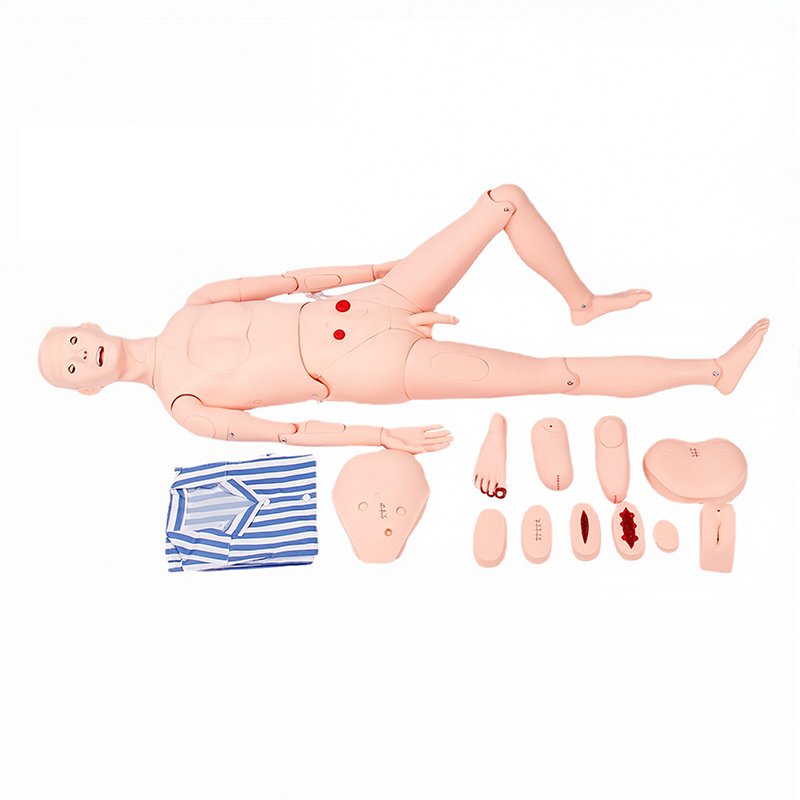 CPR Manikins
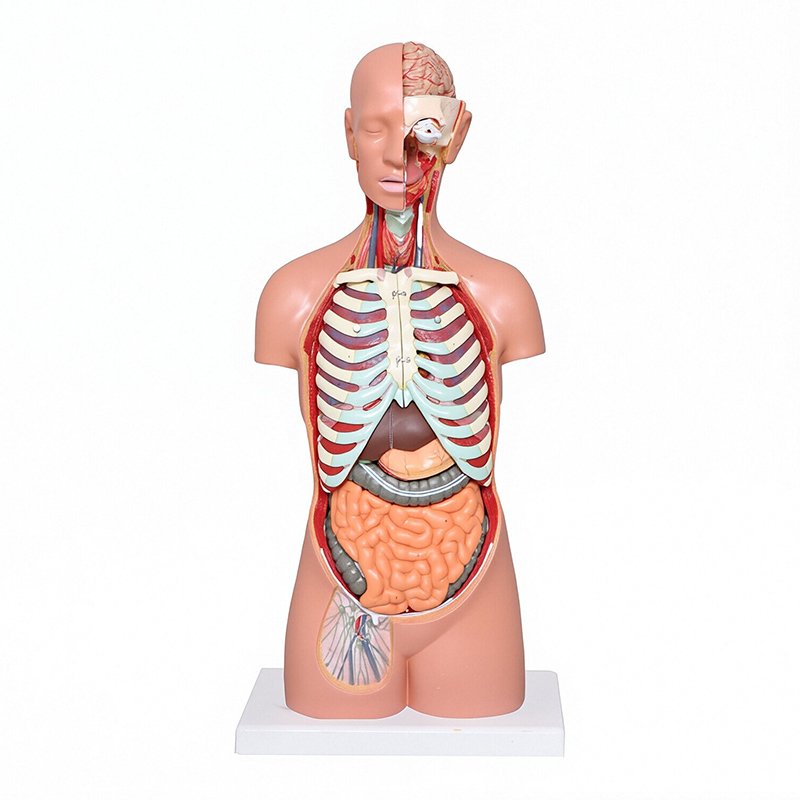 Human Torso Models
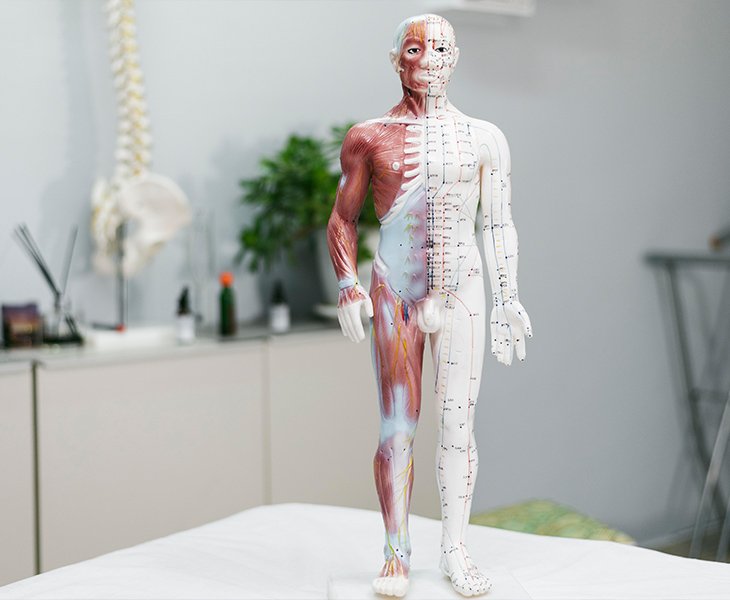
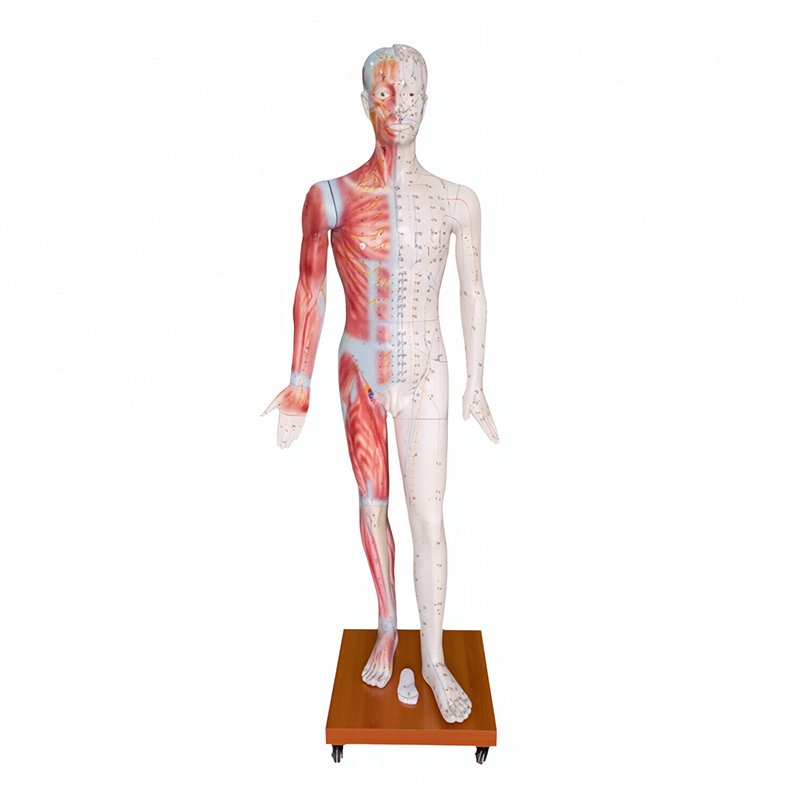 Acupuncture Models
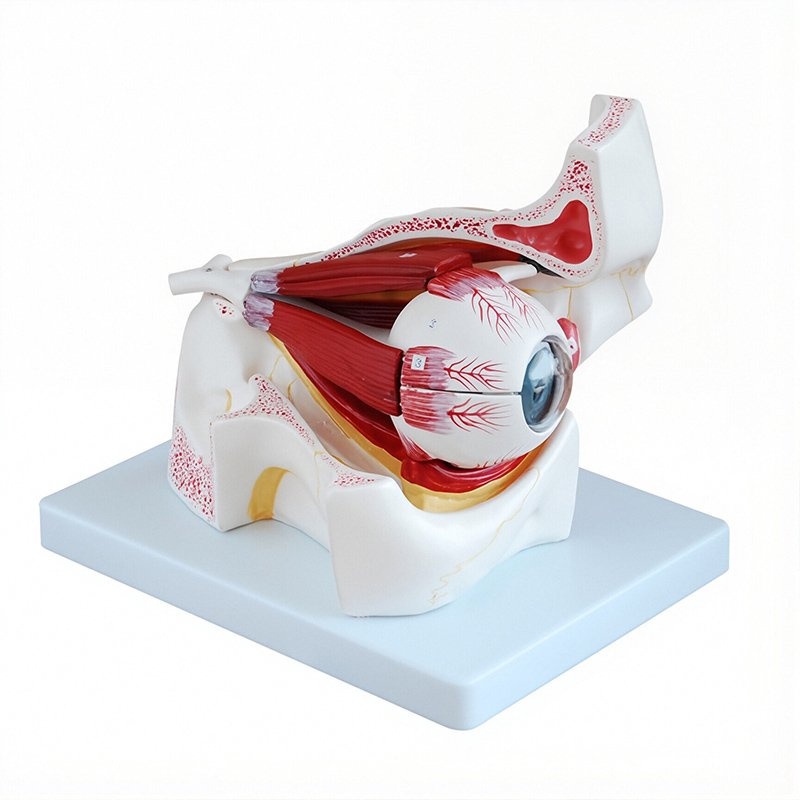 Human Eye Models
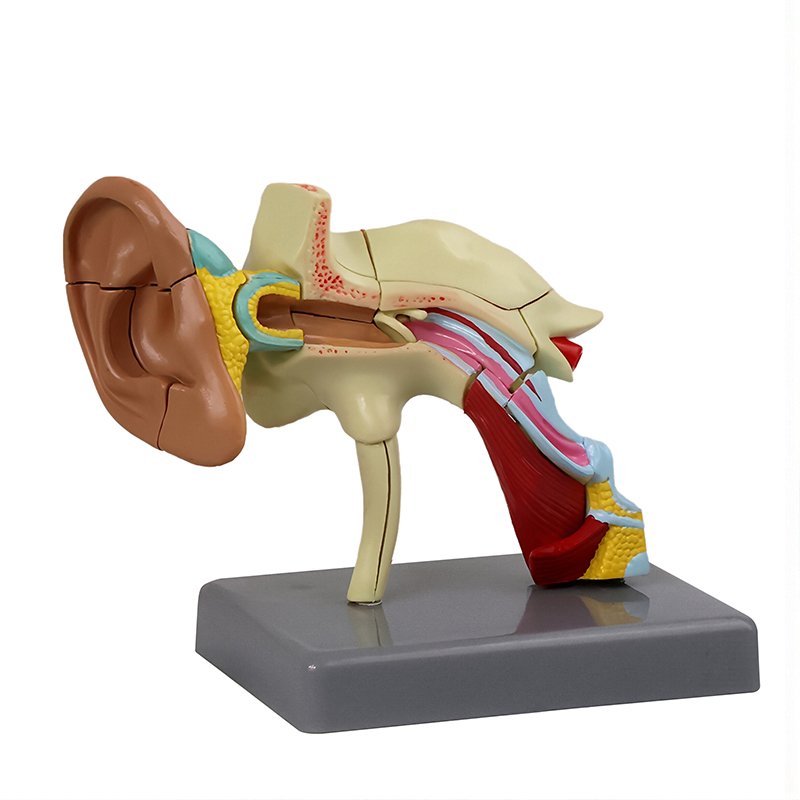 Human Ear Models
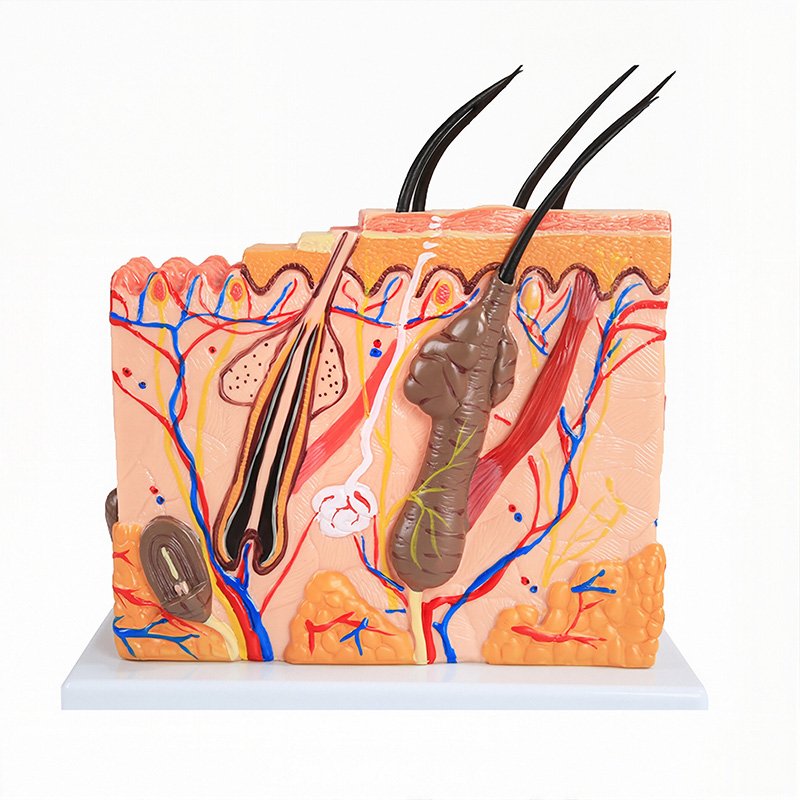 Anatomical Skin Models
LIGO Anatomical Models Advantages
As a supplier with many years of experience, we are committed to providing cost-effective anatomical models to distributors, medical schools, hospitals and anatomy laboratories around the world.

All of our anatomical models are designed with rich details, which can clearly and accurately show the skull, spine, heart, liver and other structures of the human body.

Our models are made of high quality non-toxic PVC and other materials to ensure safety for long use, while being durable and easy to clean.

Part of our anatomical model adopts a detachable design and is easy to assemble, which facilitates flexible and in-depth learning and research by medical students and medical professionals.

We use different colors to distinguish different body structures, and the colors are bright and clear, which is helpful for medical students to identify and understand and improve learning efficiency.
Versatile Applications of the LIGO Anatomical Models
Our anatomical models are designed for medical education, medical training, and clinical practice. These models are designed to show the complex anatomical structure of the human body in detail, so as to help medical students intuitively understand the human bones, organ structures and spatial relationships, and have a deeper understanding of human anatomy. Furthermore, these models can also be used to train medical students and doctors in clinical skills and improve the accuracy and safety of clinical procedures.
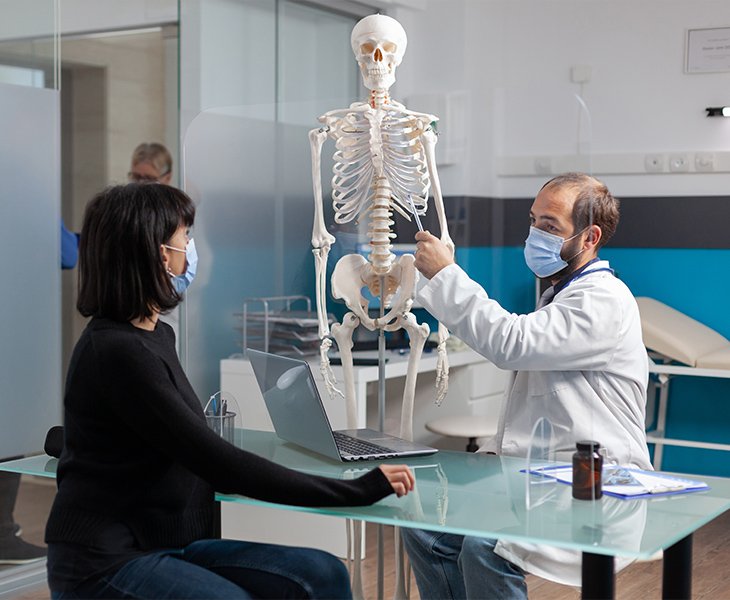
In clinical practice, anatomical models are widely used in doctor-patient communication. By using the anatomical model, doctors can explain the patient’s condition and treatment methods in a visual way, reduce the patient’s anxiety and enhance the confidence in the follow-up treatment.
Why Choose LIGO As Your Anatomical Model Supplier
As a professional anatomical models supplier, LIGO provide you with a complete range of products, comprehensive services and reliable delivery. In order to make our anatomical models have excellent accuracy and durability, we use high-quality raw materials and advanced factory equipment to produce, and carry out strict inspection. In addition, our experienced logistics team uses pressure-resistant and drop-proof packaging to ensure the safe delivery of the anatomical models during prolonged international transport.
You can rely on LIGO, we provide one-stop service for you, from procurement, production, customization, quality inspection to packaging and delivery, helping you reduce costs and time.
Human anatomical models include skeletal, muscular, and organ systems, which can vividly and intuitively show the anatomical structure and spatial position of each part of the human body.
Our anatomical models are mainly made of non-toxic and durable plastic, resin, soft silicone, and other materials, which can be used for a long time and are cost-effective.
According to the teaching requirements, choosing life-size anatomical models or magnified models is more conducive to students observing the overall structure and details. Detachable models are beneficial for students to operate repeatedly and observe the internal structure of organs.

